
Instant Payment Security Best Practices
Instant payments have changed how businesses and consumers think about money movement. Instead of waiting for delayed settlement windows, funds can move quickly, often with immediate confirmation and faster availability.
That speed is useful for payroll, vendor payments, emergency disbursements, marketplace payouts, bill payments, refunds, and peer-to-peer transfers.
But speed also changes the security model. When money moves quickly, there is less time to catch errors, stop suspicious transfers, or recover from fraud. That is why instant payment security best practices matter for every organization that sends, receives, stores, approves, or monitors real-time payments.
The core challenge is balance. Businesses want fast payments, smooth customer experiences, and efficient operations. At the same time, they must protect accounts from takeover, validate recipients before funds move, monitor transactions in real time, encrypt sensitive data, and train teams to recognize scams before they become losses.
Strong security does not mean slowing every payment down. It means creating safer payment workflows that apply the right controls at the right moment. Low-risk payments can move efficiently, while higher-risk activity triggers extra verification, review, or approval.
This guide explains practical instant payment security best practices for businesses, payment teams, finance departments, software platforms, and risk leaders. It covers account takeover, payment finality, fraudulent requests, authentication, transaction monitoring, payment encryption, account verification, fraud detection, and real-time payment safety.
What Are Instant Payment Security Best Practices?
Instant payment security best practices are the policies, tools, workflows, and human checks used to protect real-time money movement from fraud, errors, unauthorized access, and misuse.
They help businesses process payments quickly while still verifying who is sending money, who is receiving it, whether the payment details are correct, and whether the transaction behavior looks legitimate.
At a practical level, secure instant payment processing starts before a payment is sent. It includes identity checks during user enrollment, secure login controls, account verification, recipient validation, transaction limits, approval rules, and fraud screening.
After the payment is initiated, it also includes real-time transaction monitoring, alerting, audit trails, and post-transaction review.
The goal is not to create unnecessary friction. The goal is to reduce avoidable risk. For example, a recurring low-value payment to a known vendor may not need the same review as a first-time high-value payment to a newly added recipient. A secure workflow should recognize the difference.
Instant payment security also depends on layered controls. No single tool can stop every threat. Passwords alone are not enough. Encryption alone is not enough. Employee awareness alone is not enough. Strong security combines multiple protections so that if one layer fails, another can still reduce the chance of loss.
Common layers include:
- Multi-factor authentication for account access
- Step-up authentication for risky actions
- Account verification before first-time payments
- Payment encryption in transit and at rest
- Transaction monitoring for unusual activity
- Fraud detection based on behavioral signals
- Dual approval for high-value or sensitive payments
- Alerts for account changes, new recipients, and completed transfers
- Staff training for invoice scams and impersonation attempts
Businesses should also document who can initiate payments, who can approve them, who can change recipient details, and who reviews exceptions. Clear roles reduce confusion and help prevent social engineering.
For businesses building or improving mobile payment experiences, secure authentication methods for mobile payment apps are especially important because login security, device trust, and transaction approval all affect real-time payment safety.
Why Instant Payments Need Stronger Security
Instant payments need stronger security because the same features that make them attractive also make them risky. Payments can be initiated quickly, processed quickly, and confirmed quickly. That creates value for businesses and customers, but it also reduces the window for manual review, fraud intervention, and correction.
Traditional payment workflows often include delays that create time for additional checks. A delayed payment can sometimes be held, investigated, corrected, or canceled before funds become available. Instant payments are different.
Once the payment is authorized and accepted, the sender may have limited ability to reverse it. That means prevention becomes more important than recovery.
This does not mean instant payments are unsafe. It means the security approach must match the speed of the payment method. Businesses need real-time payment security solutions that can evaluate risk before a payment leaves the account.
They also need operational controls that prevent rushed decisions, especially when payments involve new recipients, urgent requests, changed account details, or unusually large amounts.
A trusted public instant payment service overview describes instant payment infrastructure as enabling near real-time funds transfer and continuous processing. That always-on nature is valuable, but it also means fraud prevention cannot rely only on business-hour reviews.
The strongest programs use a “verify before sending” model. That means confirming the recipient, validating account details, reviewing suspicious payment instructions, and using transaction monitoring before funds move. It also means making sure employees know that urgency is one of the most common tools used by scammers.
| Security Risk | Why It Matters | Best Practice |
| Account takeover | Stolen credentials can allow attackers to access payment tools and initiate unauthorized transfers. | Use MFA, device checks, login alerts, session controls, and step-up authentication. |
| Payment finality | Once an instant payment is completed, recovery may be difficult. | Verify recipient details, payment amount, and business purpose before release. |
| Fraudulent payment requests | Scammers may impersonate executives, vendors, customers, or employees. | Use callback verification, vendor change controls, and dual approval. |
| Weak passwords | Reused or simple passwords increase exposure to credential stuffing. | Require strong passwords, password managers, and phishing-resistant authentication where possible. |
| Poor transaction monitoring | Suspicious activity may go unnoticed until after funds are gone. | Use real-time monitoring, velocity checks, anomaly detection, and alerts. |
| Unsecured networks | Public or compromised networks can expose sessions and credentials. | Require secure connections, device security, VPN policies where appropriate, and endpoint controls. |
| Inadequate staff training | Employees may approve fraudulent requests under pressure. | Train teams on invoice scams, impersonation, phishing, and payment verification steps. |
A strong payment risk management program recognizes that real-time payment fraud protection depends on both technology and decision-making. It is not enough to screen transactions after the fact. The most important controls must happen before approval and release.
Account Takeover Risk
Account takeover happens when an attacker gains control of a legitimate account and uses it to initiate payments, change recipient information, view sensitive data, or bypass normal trust signals. It often starts with stolen credentials, phishing, malware, reused passwords, SIM-swap attacks, or compromised email accounts.
Instant payments can increase the impact of account takeover because an attacker may be able to act quickly once inside. They may add a new recipient, change security settings, create a payment instruction, or test small transfers before attempting a larger one. If the system relies only on a password, the attacker may face little resistance.
Instant payment authentication should therefore go beyond basic login. Businesses should require multi-factor authentication, monitor new device logins, flag unusual locations or behavior, and require step-up verification before sensitive actions.
Sensitive actions include adding a payee, changing bank details, increasing limits, changing contact information, or sending a high-value payment.
Account takeover prevention also requires visibility. Login alerts, device history, failed login monitoring, impossible-travel detection, and session timeout policies can all help identify suspicious activity. The goal is to stop attackers before they can turn stolen access into completed transfers.
Payment Finality
Payment finality means that once a payment is completed, it may be difficult or impossible to unwind through normal payment operations. This is one reason instant payment security best practices emphasize verification before sending funds.
Businesses should create workflows that force critical details to be checked before release. The payment amount, recipient name, account information, invoice number, business purpose, and approval record should all match. If any detail is new, changed, rushed, or inconsistent, the payment should pause for review.
Finality also changes how businesses should think about convenience. A fast payment to the wrong recipient is not efficient. A quick approval based on an unverified email is not good service. A payment process that skips account verification may save seconds but create major financial exposure.
Account verification is especially important for new vendors, customer refunds, payroll changes, and large disbursements. Businesses should confirm new or changed payment details through a trusted channel already on file, not through the same message that requested the change.
A safer workflow does not need to be complicated. It simply needs to be consistent. Verify first, approve second, send third, and document the result.
Fraudulent Payment Requests
Fraudulent payment requests are among the most common threats in real-time payment environments. Scammers often impersonate executives, vendors, landlords, employees, customers, or service providers.
They may send fake invoices, request urgent wire-style transfers, claim that bank details changed, or pressure staff to bypass normal review.
These attacks work because they target people, not just systems. A scammer may create a convincing email thread, copy a vendor’s branding, spoof a sender name, or reference real business details from public sources. The payment request may look routine until someone notices that the account information changed or the urgency feels unusual.
Instant payment fraud prevention should include strict rules for payment instruction changes. Employees should never update vendor account details based only on an email, text, chat message, or invoice attachment. Instead, they should verify the change using a known contact method already stored in the business system.
Businesses should also train staff to recognize red flags:
- Sudden urgency or secrecy
- Requests to bypass normal approvals
- New payment details for an existing vendor
- Slightly altered email domains
- Unusual payment amounts
- Invoices that do not match purchase records
- Messages sent outside normal business patterns
Core Instant Payment Security Best Practices
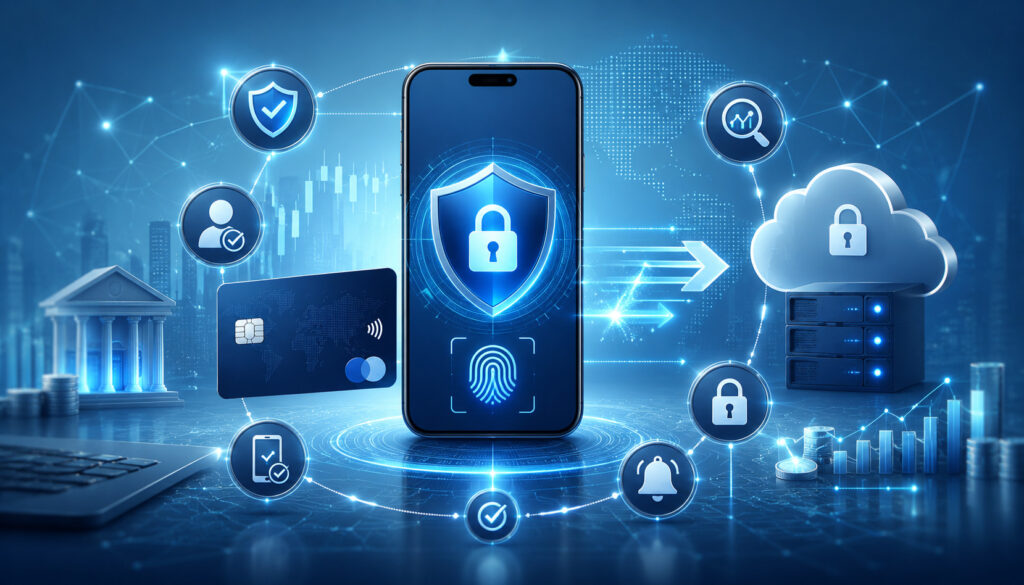
Core instant payment security best practices help businesses create a controlled environment for fast money movement. These practices are not limited to banks or payment processors. Any organization that sends or receives instant payments should have clear rules for access, approval, verification, monitoring, and response.
Start with secure access. Every user who can initiate, approve, refund, or modify payments should have a unique account. Shared logins make it difficult to investigate fraud and increase the chance that credentials will be mishandled. Role-based permissions should limit each user to the actions they actually need.
Multi-factor authentication should be required for all payment users, especially administrators and finance staff. Strong MFA reduces the risk that a stolen password alone can lead to account compromise. Where supported, phishing-resistant methods, device-bound credentials, biometrics, or passkeys can provide stronger protection than SMS-only codes.
Next, secure the recipient setup process. New payees should go through account verification before the first payment. Existing payee details should be locked down so that changes require additional approval. For sensitive vendor records, businesses should maintain a change history showing who made the update, when it happened, what changed, and who approved it.
Transaction limits are another important control. Limits can apply by user, department, recipient, payment type, time period, or risk score. For example, a junior employee may be able to prepare a payment but not release it. A department manager may approve routine payments up to a defined amount, while larger transfers require finance leadership review.
Approval workflows should reflect risk. A one-size-fits-all approval model often creates either too much friction or too little control. Better workflows use thresholds and triggers. New recipients, high-value payments, changed account details, unusual timing, and urgent requests should require stronger review.
Alerts are also essential. Users should receive notifications for new logins, password changes, MFA changes, new recipients, account changes, payment approvals, and completed transfers. Alerts help legitimate users spot unauthorized activity quickly.
Staff training ties everything together. Employees should know how fraud attempts work, how to verify payment requests, and how to escalate suspicious activity. Training should include real examples of invoice fraud, executive impersonation, payroll diversion, vendor email compromise, and refund scams.
A practical checklist includes:
- Require MFA for all payment users
- Use role-based permissions
- Separate payment creation from payment approval
- Verify new recipients before first payment
- Confirm changed account details through trusted channels
- Set transaction limits by user and risk level
- Use alerts for sensitive activity
- Monitor unusual transaction behavior
- Train employees regularly
- Review payment logs and exceptions
Secure digital payments require discipline. The best systems make the secure action the normal action. Employees should not need to invent their own verification process during a stressful moment. The workflow should guide them.
Instant Payment Fraud Prevention Strategies
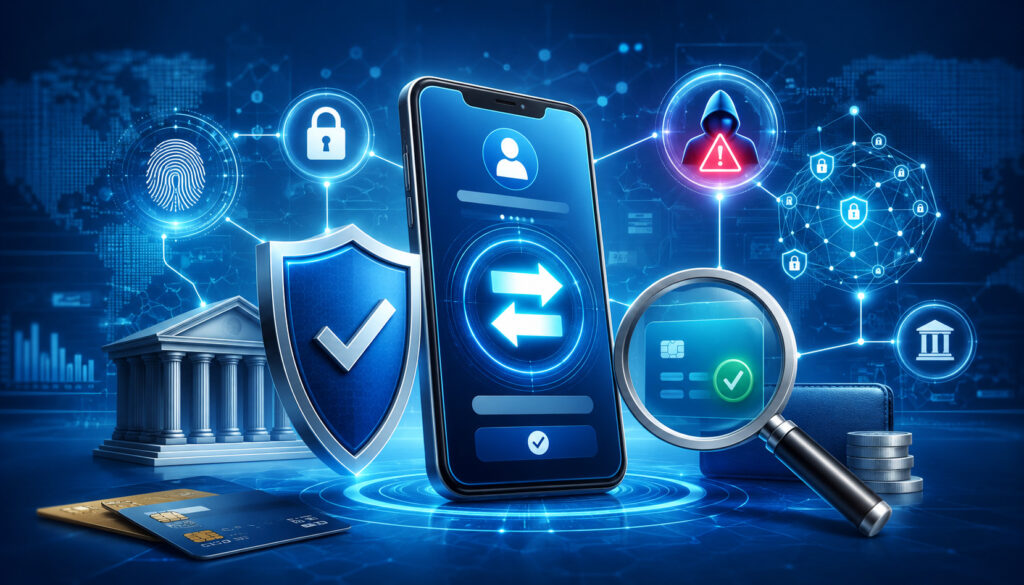
Instant payment fraud prevention starts with the assumption that fraud attempts will happen. The question is whether the business can detect, delay, challenge, or stop suspicious activity before funds leave. Because instant payments move quickly, prevention strategies must be proactive and real time.
The first strategy is recipient verification. Before sending money to a new recipient, businesses should confirm that the payee is legitimate and that the account details match expected records. This is especially important for vendor payments, contractor payouts, payroll changes, insurance disbursements, marketplace seller payments, and refunds.
Account verification can include matching account ownership, validating routing details where applicable, confirming the recipient through a trusted communication channel, or using payment platform tools that check account status. Verification does not eliminate risk, but it reduces the chance of sending funds to a fraudulent or mistyped destination.
The second strategy is monitoring unusual activity. Transaction monitoring should evaluate behavior, not just static rules. A payment may be suspicious because it is larger than usual, sent to a new recipient, initiated from a new device, submitted outside normal hours, split into smaller amounts, or inconsistent with past behavior.
A strong monitoring program may flag:
- Multiple failed login attempts before a payment
- A new device followed by a new recipient
- A password reset followed by a high-value transfer
- Payments just below approval thresholds
- Rapid attempts to send multiple transfers
- Payments to recipients with no history
- Sudden changes in vendor instructions
- Unusual refund or payout patterns
The third strategy is using trusted payment channels. Employees should not initiate payments from unsecured devices, personal email instructions, unapproved apps, or informal chat requests. Payment requests should flow through approved systems with audit trails, user permissions, and review steps.
The fourth strategy is reviewing high-value payments. Large or unusual payments should receive extra scrutiny, even when they appear legitimate. Reviewers should compare payment details against contracts, purchase orders, invoices, vendor records, and prior payment history.
The fifth strategy is escalation. Employees should know exactly what to do when something feels wrong. A payment should be paused without fear of blame. Fraud prevention culture matters because many scams rely on pressure, confusion, or fear of delaying an urgent request.
For additional depth on detection and prevention workflows, businesses can review fraud prevention in instant payments as part of a broader risk management plan.
Real-Time Payment Security Solutions

Real-time payment security solutions are the technologies and controls that help businesses evaluate payment risk quickly enough to match instant payment speed. Since manual review cannot inspect every transaction in seconds, technology must help identify which transactions are normal, which are suspicious, and which require step-up verification or human review.
Fraud scoring is one of the most common tools. A fraud score combines different signals into a risk rating. These signals may include user behavior, device reputation, payment amount, recipient history, login pattern, transaction velocity, location changes, account age, and prior disputes.
Low-risk transactions can continue, while higher-risk transactions can be challenged, delayed, or reviewed. Anomaly detection is also important. Instead of relying only on fixed rules, anomaly detection looks for behavior that differs from expected patterns.
For example, a business that normally pays a vendor once per month may trigger a review if multiple payments are suddenly initiated in a short period. A user who normally logs in from one device may trigger a challenge if a new device appears immediately before a recipient change.
Payment encryption protects sensitive data from exposure. Encryption should apply to data in transit, such as payment instructions moving between systems, and data at rest, such as stored account information. Strong key management is just as important as encryption itself. Poorly managed keys can weaken otherwise strong protections.
Tokenization is another valuable security layer. Instead of exposing real account credentials or payment details throughout multiple systems, tokenization replaces sensitive values with tokens that have limited usefulness if stolen. Businesses evaluating credential protection can learn more from tokenization in instant payments.
API security also matters because many instant payment systems connect through APIs. Secure API design should include strong authentication, authorization scopes, rate limiting, input validation, logging, encryption, and monitoring. Server-to-server connections should use secure credentials and should not rely on long-lived secrets stored in unsafe locations.
Payment monitoring tools should support real-time alerts and investigation workflows. A useful alert should not simply say “payment flagged.” It should provide context: what changed, why the transaction looks risky, what action is recommended, and who needs to review it.
Strong real-time payment fraud protection often includes:
- Fraud scoring engines
- Behavioral analytics
- Device intelligence
- Recipient risk checks
- Velocity rules
- Transaction limits
- Step-up authentication
- Tokenization
- Encryption
- API monitoring
- Case management tools
- Audit logs
Security teams should also test these systems regularly. Fraud rules that worked last quarter may miss new attack patterns. Payment risk management is an ongoing process, not a one-time setup.
Common Mistakes to Avoid
Even businesses with good intentions can weaken instant payment security through avoidable mistakes. The most common mistake is rushing. Instant payments are fast, but the decision to send money should still be controlled. A payment request marked “urgent” should receive more verification, not less.
Another common mistake is relying on weak passwords. Reused passwords, shared passwords, simple passwords, and passwords stored in spreadsheets create unnecessary risk. If a payment system contains money movement capability, it deserves stronger access protection. MFA, password managers, device trust, and account lockout controls should be standard.
Skipping verification is also dangerous. Many payment losses happen because someone trusted an email, invoice, or message without confirming the details. Businesses should verify new recipients, changed account information, unusual refund requests, and high-value payment instructions before release.
Ignoring alerts is another issue. Alerts are useful only when someone reviews and responds to them. If employees receive too many low-value alerts, they may develop alert fatigue. If alerts are sent to the wrong people, no action may happen. Every alert should have an owner, a response expectation, and an escalation path.
Poor employee training creates additional exposure. Payment teams should understand social engineering, phishing, invoice fraud, account takeover, and vendor impersonation. Training should be repeated regularly because fraud tactics change and staff turnover can create knowledge gaps.
Using unsecured networks and unmanaged devices is another avoidable risk. Employees should not approve payments from public devices, unsecured Wi-Fi, outdated operating systems, or personal devices without proper controls. Endpoint security matters because attackers often target the device or session, not only the payment platform.
Businesses should also avoid excessive permissions. Not every finance user needs the ability to create payees, approve payments, change limits, and release funds. Role-based access reduces the damage that can occur if one account is compromised.
A final mistake is failing to review payment data. Transaction logs, exception reports, failed authentication attempts, and recipient changes can reveal patterns before they become major losses. Businesses should review these records and use them to improve controls.
For teams strengthening technical safeguards, encryption standards in instant payments can help frame how data protection supports secure digital payments.
What are the most important instant payment security best practices?
The most important instant payment security best practices include multi-factor authentication, account verification, transaction monitoring, payment encryption, role-based access, transaction limits, dual approval for sensitive payments, and employee training. These controls work best when they are layered together.
A business should also verify new recipients, confirm changes to payment details, monitor unusual activity, and use alerts for sensitive actions. Since instant payments can move funds quickly, prevention should happen before the payment is released.
How can businesses make instant payments safer?
Businesses can make instant payments safer by creating structured workflows for payment initiation, review, approval, and monitoring. Every user should have a unique login, appropriate permissions, and MFA. High-risk payments should require stronger review.
Businesses should also train staff to recognize scams. Many fraudulent payments begin with social engineering, such as fake invoices, executive impersonation, or vendor account change requests. A consistent verification process reduces the chance that employees will be pressured into sending money incorrectly.
Why is account verification important for instant payments?
Account verification helps confirm that payment details belong to the intended recipient before funds are sent. This matters because instant payments may be difficult to reverse after completion. A small error in account details or a fraudulent change request can result in funds going to the wrong place.
Verification is especially important for new vendors, changed bank details, payroll updates, refunds, and large disbursements. Businesses should confirm changes through a trusted channel already on file rather than relying only on the message requesting the change.
What is instant payment authentication?
Instant payment authentication is the process of verifying that the person initiating or approving a payment is authorized to do so. It can include passwords, MFA, biometrics, device checks, passkeys, session controls, and step-up verification for risky actions.
Strong authentication should protect both account access and payment approval. A user may be allowed to log in, but a high-value payment, new recipient, or account change should still trigger additional confirmation.
How does transaction monitoring support real-time payment safety?
Transaction monitoring supports real-time payment safety by analyzing payment activity for unusual patterns. It can flag suspicious behavior such as new recipients, large transfers, rapid payment attempts, unusual login activity, or payments outside normal patterns.
Effective transaction monitoring helps businesses decide which payments can proceed and which need review. It is a core part of instant payment fraud prevention because it helps detect risk before funds move.
What role does payment encryption play in secure instant payment processing?
Payment encryption protects sensitive payment data when it is stored and when it moves between systems. It helps prevent attackers from reading account details, payment instructions, credentials, or transaction data if they intercept or access protected systems.
Encryption should be paired with strong key management, access controls, monitoring, and secure system design. It is a critical layer, but it should not be the only security control.
How can businesses prevent fraudulent payment requests?
Businesses can prevent fraudulent payment requests by verifying payment instructions, especially when requests are urgent, unusual, or involve changed account details. Employees should use known contact information, not contact details included in a suspicious message.
Dual approval, vendor change controls, invoice matching, staff training, and escalation procedures also help reduce risk. Fraudulent requests often rely on pressure and speed, so a formal pause-and-verify process is highly effective.
Are instant payments safe for businesses?
Instant payments can be safe for businesses when supported by strong controls. The risk comes from weak workflows, poor authentication, skipped verification, and insufficient monitoring. With the right practices, businesses can benefit from speed while reducing exposure to fraud.
A secure program should combine technology, policies, and employee awareness. Real-time payment security solutions are most effective when they support clear approval rules and strong payment risk management.
Conclusion
Instant payments create real value by helping money move faster, improving cash flow, supporting quicker payouts, and giving customers and businesses more flexible payment options. But speed also raises the stakes. When funds move quickly, security must happen before the payment is released.
The most effective instant payment security best practices combine strong authentication, account verification, transaction monitoring, payment encryption, fraud detection, role-based access, approval workflows, and employee training. These controls help reduce account takeover risk, prevent fraudulent payment requests, protect sensitive data, and improve real-time payment safety.
Businesses should not view security as a barrier to faster payments. Good security makes faster payments more reliable. It gives teams the confidence to use real-time payment capabilities without exposing the organization to unnecessary risk.
The practical rule is simple: verify the user, verify the recipient, verify the payment, monitor the transaction, and document the approval. When those habits become part of daily operations, secure instant payment processing becomes easier to manage and harder for attackers to exploit.